
Introduction: A “Zen-Mode” Report Card
Hey everyone, it’s time for Mr. Guo to share some results.
Today’s article is a retrospective on a personal project I launched early this year — an AI audio tool site. After getting the basic functionality complete and adding some tool pages and articles, I went into zen mode and basically left it alone (the project only had real operational investment in the first two months, just mine and Tam’s time and energy).
Fast forward to last month, exactly six months later, this “neglected child” project actually grew on its own. As of today, the past 30-day active users hit 9,000+ and are approaching 10k, with monthly new users reaching 6,500+.
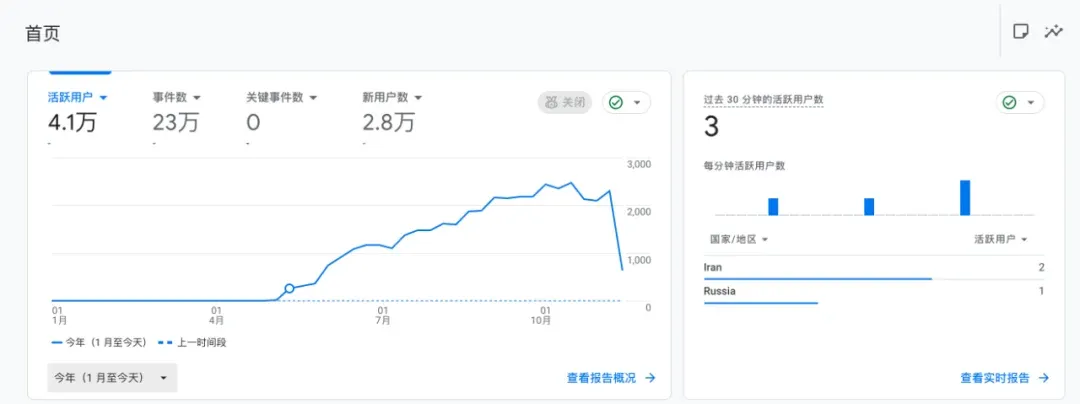
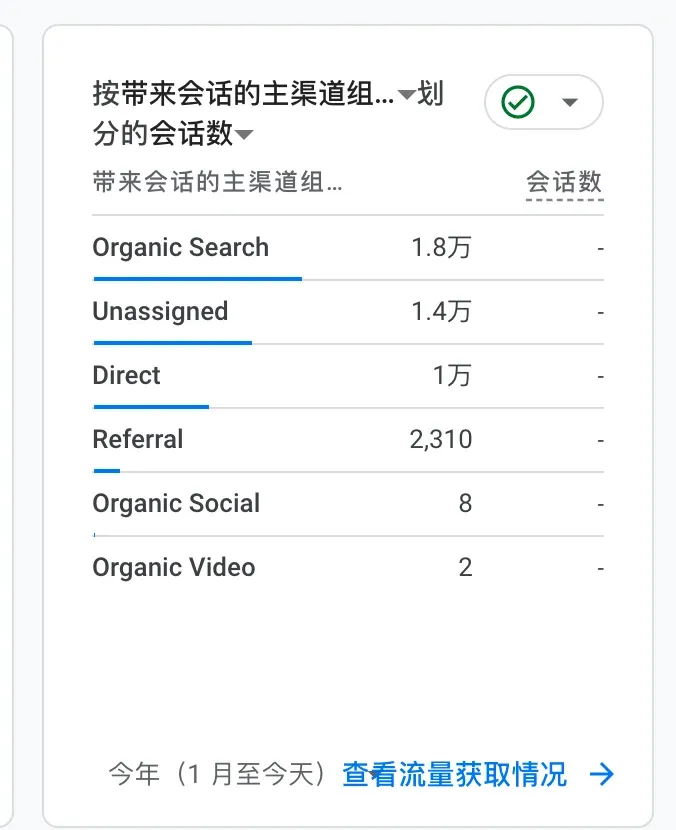
Looking at the data, total active users are 41k, with Organic Search contributing 18k sessions — the absolute traffic champion. The project has achieved basic PMF and has already recouped costs, now generating decent profit (honestly, the product’s data pipeline barely has any tracking — just collecting revenue as it comes).
This result isn’t exactly spectacular, but for me, it validates many of my thoughts about building products. Today, I want to share the key success factors and some of my methodology without holding back.
1. Another Victory for Classical SEO Fundamentals
The first key factor that made this project work was solid SEO optimization.
Behind this is actually a trail of tears. When I built this project, we were still in the Claude Sonnet 3.5 era — Claude Code didn’t even exist yet. It was basically built with Cursor.
This Vibe Coding approach actually causes a lot of SEO problems in the resulting site, and fixing them is like playing “whack-a-mole” — fix this, break that. During the fix phase, I revised over and over, version after version. As an SEO veteran, I found it frustrating, but you have to accept it. These are problems that must be solved, and only by firmly addressing them does the project have a future.
This project basically filled in every common (and uncommon) SEO pitfall (I say “filled in” rather than “stepped into” because these are unavoidable issues with AI-written code. I wasn’t unaware of these problems, so it’s more about filling pits):
- URL canonicalization issues, duplicate page problems
- Sitemap and Canonical errors
- Meta Data error accumulation
- No CMS but forced article pages, causing multiple “ tag rendering errors
- A ton of 404 error links within the site
- 302 temporary redirects (should be 301 permanent)
- Multilingual
hreflangtag errors…
For those unclear on these, I recommend my SEO practical handbook — it’s foundational physics that never goes out of style. Here’s one article for beginners:
Indie Developer SEO Handbook (Special): The Ultimate On-Page SEO Checklist
The product’s core model API even went down for a while… functionality was unusable, and I didn’t even notice for a month because I genuinely hadn’t looked at this project at all that month — not even a glance. (Now that’s stepping into a pit.)
This project also caught some GEO (Generative Engine Optimization) tailwind, but data shows it’s only single-digit percentage of overall traffic. This again confirms my previous view: GEO is still in its infancy, and its foundation is still SEO. If someone only talks GEO without mentioning SEO, they’re either malicious or clueless. A dynamic page that Google can’t crawl? GPT can’t crawl it either. Does GEO Make Your Site Stand Out Instantly? Really?
2. Choosing the Right Niche: The Golden Rule of the AI Era
This is a life-or-death question a hundred times more important than technology.
For small-scale personal projects like mine, picking the right niche is a hundred times more important than product quality.
At the time early this year, AI audio tools still had some relatively niche sub-categories. If I had mindlessly rushed into Image Generator or various “character roleplay chat” hot spaces, this project would be long dead by now — absolutely no chance.
Similarly, right now, as an indie developer, if you impulsively jump into “general Agents” or “AI PPT” type agent tools — same deal, no chance. You probably don’t have a seat at these tables; you’d just be served as a dish.
3. Three Suggestions for Builder Friends
This little project’s retrospective ultimately distills into some thoughts about “how to do things.”
Suggestion 1: Do the Right Thing the Right Way
“Doing the right thing” (picking the right niche) and “doing things right” (using correct methods, like grinding SEO fundamentals) are equally important. Pick the wrong niche, and the harder you work, the faster you die. Pick the right niche but use wrong methods, and you’ll just take many detours — but the destination still holds hope.
Principle 2: Develop Dynamic Opportunity Discovery, Not Static Imitation
What you need to train is the ability to dynamically discover market opportunities, not mindlessly chasing whatever projects various influencers are running. In the AI mega-track, every month’s market environment is completely different — software market iteration has never been this fast.
Statically imitating existing successful products has some value, but not much — it’s better for newcomers to practice and understand the entire process. But personally, I believe getting quick positive feedback is essential, otherwise it’s very demoralizing. Especially after pouring your heart into a product, then having self-doubt: “Why did I do everything right but didn’t get results? Why do others succeed but not me?” This kind of negative feedback can sometimes be fatal for entrepreneurs.
Principle 3: How Do You Develop “Opportunity Discovery” Ability? (The Right Way to Do Competitive Analysis)
Analyzing successful cases definitely has value. But the wrong approach is: “xxx made product A and got result B, so I’ll make A too and get B too.” This is absolutely wrong.
The right approach is to think:
- At what point in time did they choose to make this product?
- What kind of market opportunity did they discover? What technology or model was available then?
- What was the market environment like at that time?
- What circumstance led them to discover this opportunity?
- What decisions did they get right? What did they do well?
- What problems does their product have that weren’t addressed? How can I avoid them?
- How much resources did they invest? Can I commit the same resources and conditions?
When you study competitors from these angles, you’re not far from discovering opportunities yourself. Maybe my next article will dive deep into the topic of proper competitive analysis.
Closing Thoughts: On Mindset and “Purity”
Finally, let’s talk about mindset. My approach: Focused mindset when building projects, zen mindset when viewing results.
Approach every project with the conviction of victory, while accepting the worst outcome with a sense of tragic beauty. The road is long. Entrepreneurship isn’t gambling, and you can’t go all-in. Invest your money and energy rationally.
Sometimes, having multiple children to make small bets is one of the few pieces of wisdom we poor folks have. So I do everything I should, then start the next project with a calm and peaceful heart.
Currently I have 3 AI side projects running — one not fully launched, and the other two have achieved product-market fit on both traffic and revenue sides. I can boldly claim a 100% success rate on launched projects. Of course, these small ventures lack strategic scalability and don’t have much potential for big money — just personal hobbies earning some coffee money.
You may have noticed I rarely share competitive analyses like some bloggers, or constantly promote my project results everywhere. As for why, I think you should consider: what’s the starting point and purpose of those bloggers who constantly promote their results?
(I’m not saying what they do is wrong — what they do serves their business interests and business model, which is absolutely correct.)
But I prefer to share thoughts at the philosophical and methodological level, hoping to inspire my readers and myself. After all, I currently don’t plan to run an agency or build a community.
(That said, I do paid consulting — I’ve been doing strategic consulting and digital marketing consulting for a Shenzhen cross-border e-commerce brand for almost three years now. That project also grew from 0-1 with relatively small costs and is about to turn three. Business owners interested in deep discussions with Mr. Guo, feel free to reach out~)
So currently, Mr. Guo’s public account content has almost no commercial purpose. This might be its purest content phase.
Found Mr. Guo’s analysis insightful? Drop a 👍 and share with more friends who need it!
Follow my channel to explore AI, going global, and digital marketing’s infinite possibilities together.
🌌 Invest every ounce of energy rationally, then let time give you the answer.
